
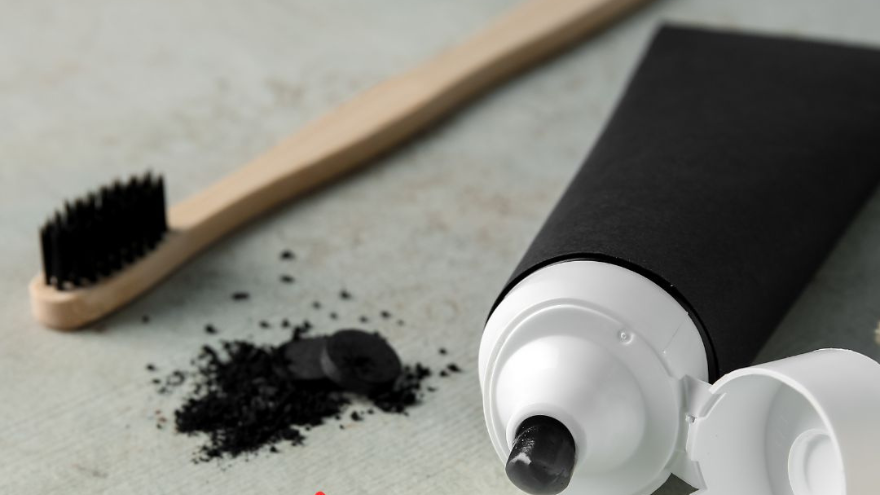
Activated charcoal in dental care: whiten your teeth gently!
Activated charcoal is one of the most popular active ingredients in the health and beauty industry today, and once you learn about the wide range of uses for activated charcoal, its popularity is no longer a surprise! Activated charcoal has a wide range of effects and offers numerous benefits in dental care as well. If you have been looking for a whitening toothpaste, you have surely encountered dental care products containing activated charcoal, and there is a good reason for that! Let's take a look at the benefits of using activated charcoal in dental care! Read on to find out how activated charcoal contributes to maintaining good oral hygiene and preserving the health and beauty of your teeth!
Activated charcoal throughout history
Surprising fact: activated charcoal was not just discovered in the last few decades, but has been used for medicinal and cosmetic purposes for millennia, primarily for treating poisoning and digestive problems!
According to historical records, the ancient Egyptians were certainly using activated charcoal for medicinal purposes around 1500 BC, for example to treat wounds and gastrointestinal issues. The use of activated charcoal also appears in the ancient written records of Hindus: people on the Indian subcontinent used this natural material for water filtration and purification around 450 BC among other things.
Medicinal activated charcoal was also used by the ancient Greeks and Romans for therapeutic purposes, and chemists living in the 18th century used it for various chemical reactions and purification processes. The long history of activated charcoal's use confirms the effectiveness and versatility of this natural material as a natural remedy, detoxifier, and cleaning agent.
How does activated charcoal work?
The activated charcoal used in health and beauty products is a fine-grained powder obtained from coconut shells, wood, and other natural materials through oxidation at high temperatures, followed by grinding processes. The porous structure of activated charcoal provides a large absorbent surface area, which allows it to bind toxins, acids, and pathogens in its vicinity.
Activated charcoal therefore acts almost like a "sponge" that binds toxins, acids, stains, and bacteria in its environment. On an industrial scale, activated charcoal is nowadays used, for example, for wastewater treatment, among many other uses. Activated charcoal performs the same function in oral care and skincare products. However, activated charcoal also has another important role in oral care: it can help in the natural and gentle whitening of tooth enamel!
Activated charcoal: a gentle solution for whiter teeth
The activated charcoal in herbal toothpastes helps remove surface stains on the tooth surface by binding to them, thus helping to whiten teeth gently.
1. Helps remove surface stains on the enamel: Certain eating and lifestyle habits can leave external stains and discoloration on our tooth enamel. These stains develop gradually over months or years due to the presence of certain chemicals in coffee, tea, wine, or tobacco smoke. The porous structure of activated charcoal helps trap these external stains, so regular use of activated charcoal toothpastes can help restore the natural whiteness of teeth.
2. Helps remove accumulated plaque and restore fresh breath: Activated charcoal can bind acidic compounds and bacteria present in the oral cavity, thus helping to reduce plaque and freshen breath.
3. Gentle abrasive effect: Unlike coarser abrasives that can damage tooth enamel, activated charcoal effectively removes surface stains without damaging the enamel. Its gentle abrasive nature makes it suitable for daily use as well.
4. Antibacterial effect: Activated charcoal has a natural antibacterial effect, which can help prevent the proliferation of harmful bacteria in the oral cavity. By reducing the number of bacteria, activated charcoal can contribute to maintaining proper oral hygiene, potentially reducing the risk of gum disease and tooth decay.
5. Detoxifying effect: The toxin-absorbing ability of activated charcoal can extend to the oral cavity, helping to bind and remove toxins present in the mouth.
6. Non-toxic and safe to use: Unlike charcoal, which may contain carcinogenic compounds, medical-grade activated charcoal produced through a special process for oral care is safe from a health perspective.
7. Ideal for individuals with sensitive gums: With its gentle abrasive effect, activated charcoal can also be suitable for individuals with sensitive gums, as it does not irritate the gums.
8. Natural ingredient: Activated charcoal derived from natural sources can be a good choice for consumers looking for plant-based and environmentally friendly oral care options.
Interesting facts about activated charcoal:
• It won't stain anything! Although a black-colored toothpaste might seem strange, you can rest easy! Despite its deep black color, activated charcoal does not stain teeth or skin.
• It's made faster than you think! The process of producing activated charcoal is relatively fast, taking about 24 hours. The production involves a meticulous process where raw materials (such as coconut shells, wood, or peat) are carbonized at high temperatures and then activated using gases (e.g., carbon dioxide) during a controlled oxidation process.
• 1 gram is the size of half a football field! Activated charcoal has an extremely porous structure, so the surface area of 1 gram of activated charcoal is approximately 3000 square meters, which is about half the size of a football field! This huge absorbent surface area allows it to bind a massive amount of toxins and impurities.
• It is also used in environmental protection: Activated charcoal can also be used to treat water and air contaminated with chemicals. One notable environmental disaster where activated charcoal was used to bind harmful substances released into the environment was the 2010 Deepwater Horizon oil spill. As a result of the explosion on the Deepwater Horizon offshore drilling rig, an estimated 4.9 million barrels of oil were released into the waters of the Gulf of Mexico. One of the materials used during the cleanup operations was activated charcoal, which played a crucial role in mitigating the effects of the disaster.
• It has also inspired new culinary trends: Can we offer an activated charcoal latte or ice cream? Perhaps we can serve your burger with an activated charcoal black bun? Thanks to its unique coloring effect, activated charcoal has inspired many special dishes, drinks, and sweets that can be surprising additions to menus!
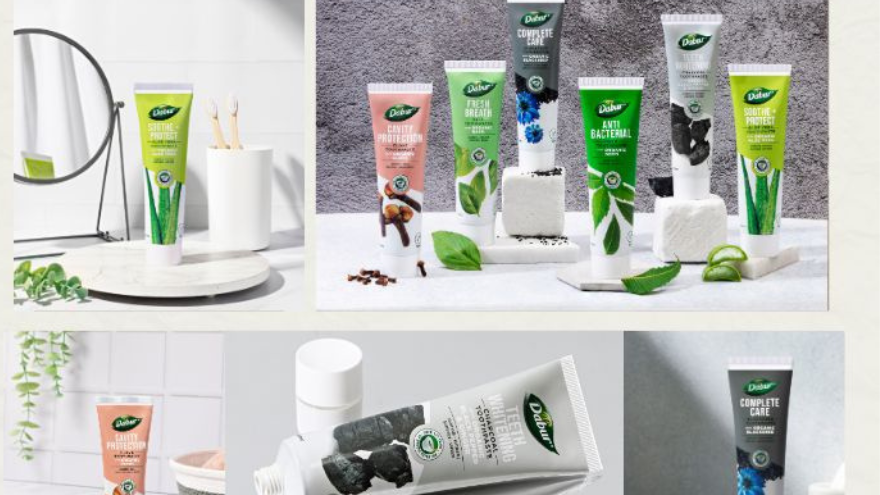
Dabur fluoride-free toothpaste with activated charcoal
If you are looking for an excellent toothpaste enriched with activated charcoal, Dabur Activated Charcoal toothpaste might be the best choice for you!
Enriched with natural ingredients, Dabur Activated Charcoal toothpaste uses the whitening properties of activated charcoal to remove stains for a healthy, white smile. This herbal toothpaste is one of the best tooth-whitening toothpastes, which is also free from parabens and added fluoride.
Dabur Activated Charcoal toothpaste is also enriched with natural plant ingredients (such as ginger, long pepper, and black pepper) that can help maintain oral health.
Look for Dabur Activated Charcoal toothpaste and other Dabur Ayurvedic herbal toothpastes at BIO BARÁT specialty stores!


Leave a comment
All comments are moderated before being published.
This site is protected by hCaptcha and the hCaptcha Privacy Policy and Terms of Service apply.