
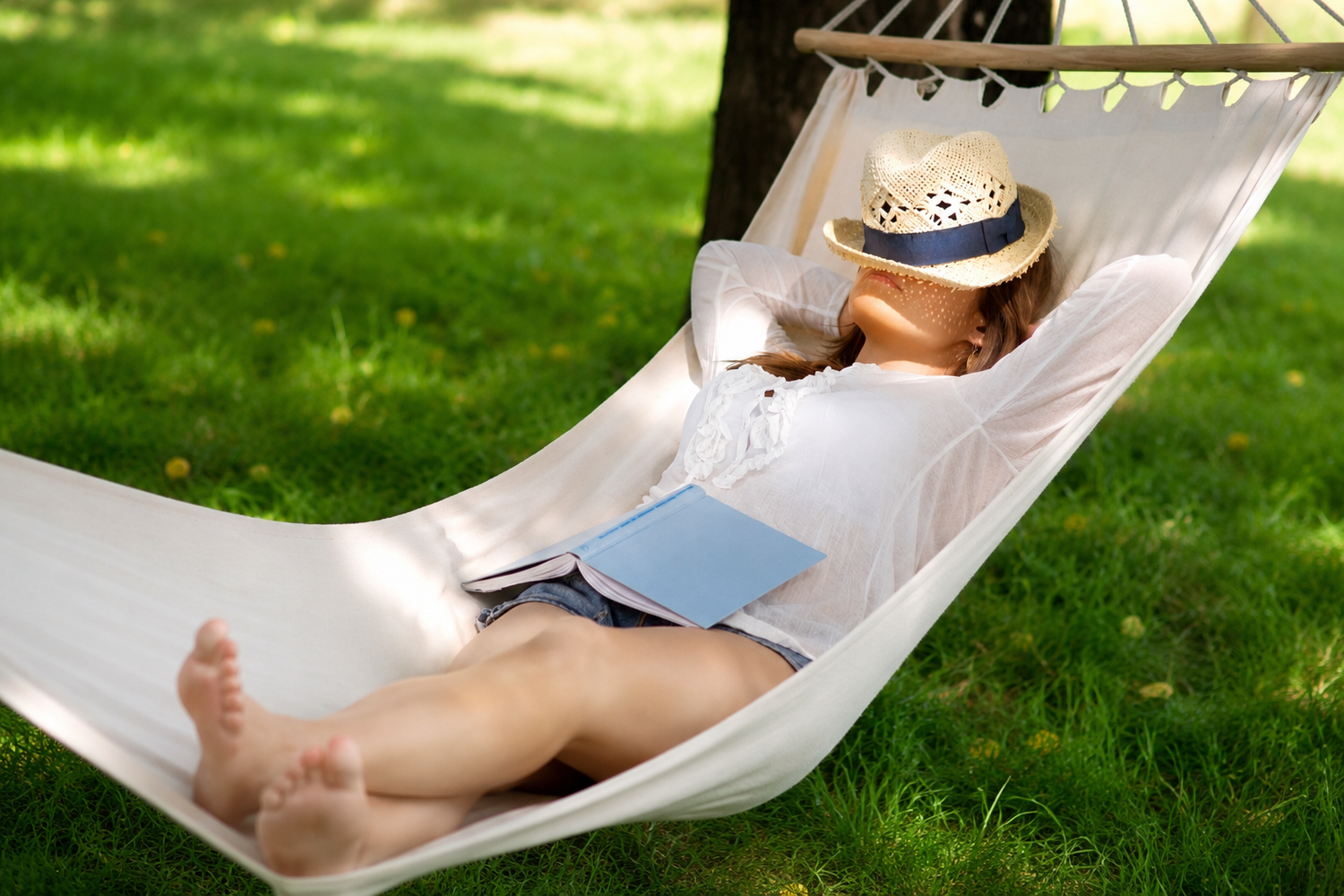
Summer fatigue: it's not just in our heads
Many of us look forward to the sunshine and long summer days, yet we often find that our energy levels drop as the heat arrives. We struggle to concentrate, tire more easily, and feel as though our usual tasks require more energy.
Summer fatigue is a completely natural phenomenon that can have several causes. The heat affects not only our general well-being but also how our body functions.
How does heat affect the body?
When the outside temperature rises, our body works constantly to maintain its core body temperature.
To achieve this:
- blood vessels dilate,
- perspiration increases,
- fluid loss increases,
- the heart has to work more intensely.
All of this means extra work for the body, which can contribute to a feeling of exhaustion and fatigue.
Dehydration can sneak up on you
In summer, it is easy to not drink enough. Even mild dehydration can lead to symptoms such as:
- fatigue,
- headaches,
- difficulty concentrating,
- dizziness,
- irritability.
Many people only reach for a water bottle when they already feel thirsty, even though the sensation of thirst is often the first warning sign of dehydration.
Regular fluid intake is especially important on the hottest days and during periods of increased physical activity.
We also lose minerals through perspiration
Heat and increased sweating do not just result in fluid loss. The body also loses various minerals that play an important role in maintaining normal function.
These include, among others:
- magnesium,
- potassium,
- sodium.
These minerals are involved in, among other things, the proper functioning of the muscles and the nervous system.
Why is magnesium important in summer?
Magnesium is involved in numerous physiological processes, so its adequate intake is important all year round. In summer, however, it is particularly worth paying attention to due to increased perspiration.
Magnesium contributes to:
- normal energy-yielding metabolic processes,
- the proper functioning of the nervous system,
- normal muscle function,
- the reduction of tiredness and fatigue.
We can obtain magnesium from sources such as oilseeds, legumes, whole grains, and leafy green vegetables.
Sleep quality can also deteriorate
Summer heat can also affect nighttime rest. A bedroom that is too hot can make it difficult to fall asleep and lead to more frequent nighttime awakenings.
If we do not sleep enough or our sleep is not of good quality, the next day we may more easily experience:
- drowsiness,
- problems with concentration,
- decreased performance,
- general exhaustion.
A cool, well-ventilated bedroom and a regular evening routine can go a long way in helping you get restful sleep.
What can we do against summer fatigue?
A few simple habits can help us get through hot days with more energy:
Drink enough fluids
Water should be your primary drink, especially in the heat.
Pay attention to replenishing minerals
A varied diet and, if necessary, the right dietary supplements can support the body's balance.
Exercise during the cooler hours.
A morning or evening walk, cycling, or light exercise puts less strain on the body.
Eat lighter meals.
Many people feel better in the summer by eating lighter meals rich in vegetables and fruits.
Focus on rest.
Getting the right amount and quality of sleep is one of the most important factors in maintaining energy levels.
Summary
The causes of summer fatigue are often heat, increased fluid loss, lower levels of minerals, and less restful sleep. Proper hydration, a balanced diet, and paying attention to the intake of minerals—including magnesium—can help you feel more energetic even on the hottest days.
Frequently asked questions
Is it normal to feel more tired in summer?
Yes, due to high temperatures and increased perspiration, many people experience temporary fatigue in the summer months.
Can dehydration cause fatigue?
Yes, even mild dehydration can contribute to reduced concentration and feelings of exhaustion.
Why is magnesium important in summer?
Magnesium is involved in normal energy-yielding processes, contributes to normal muscle function, and helps reduce tiredness and fatigue.
When is it best to exercise in summer heat?
Preferably in the cooler morning or evening hours, when exercise places less strain on the body.


Leave a comment
All comments are moderated before being published.
This site is protected by hCaptcha and the hCaptcha Privacy Policy and Terms of Service apply.