
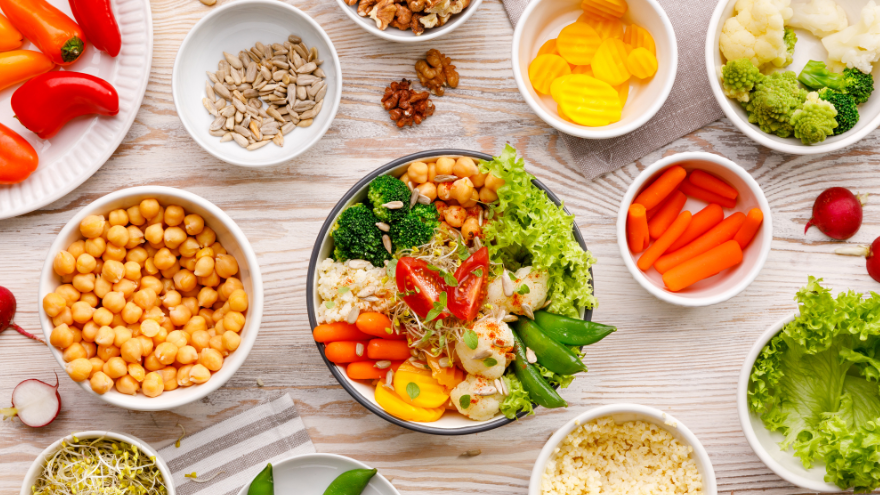
Maintaining a balance of high or low blood sugar through diet
They say what goes up must come down – and that is often true for blood sugar levels, too. Having blood sugar that is too low or too high can impact your health, especially if you have been diagnosed with diabetes or if your blood sugar levels are outside the normal range. Read on for advice on what to put on your plate to keep your blood sugar stable.
What happens if your blood sugar is too high or too low?
High blood sugar, also known as hyperglycemia, occurs when your body is unable to transport sugar from your blood into your cells. This typically affects those with type 1 or type 2 diabetes, as well as pregnant women who develop gestational diabetes. Sometimes it can also affect people who have a severe infection, or who have recently had a stroke or heart attack. During their growth, children and young adults may also experience periods of temporarily high blood sugar.
The medical term for low blood sugar is hypoglycemia, which occurs when our body reacts to a drop in blood sugar that is too low. This is often triggered by skipping meals, too much exercise, excessive alcohol consumption, or taking too much insulin. In some cases, medication can also cause blood sugar levels to drop.
How can you raise your blood sugar level?
To treat a low blood sugar episode, it is important to drink or eat something sugary that contains 15-20 g of fast-acting carbohydrates. This could be a few sweets, up to five dextrose tablets, a glass of fruit juice, or a sugary soft drink.
How can you lower your blood sugar level?
If your blood sugar level is too high, there are several ways you can help keep it under control:
Pay attention to carbohydrate intake
When we eat carbohydrates, our body breaks them down into glucose, which raises blood sugar levels. Therefore, reducing the consumption of refined or processed carbohydrates, such as white bread or sugar-containing cakes and biscuits, can help regulate blood sugar. Numerous studies have shown that a low-carbohydrate diet helps lower blood sugar levels. One specifically found that when obese patients with type 2 diabetes followed a low-calorie diet containing only 20% carbohydrates, they lost weight and their blood sugar levels decreased.
Choose low GI foods
GI is an abbreviation for Glycemic Index, which shows how quickly a food you eat raises your blood sugar level. Therefore, foods with a higher GI release glucose faster than foods with a lower GI, which release glucose slowly and steadily. If you are concerned about your blood sugar levels, choose low-GI foods such as meat, eggs, and seafood. When it comes to carbohydrates, choose vegetables, fruits, whole grains, sweet potatoes, and legumes, which also have a low GI.
Increase fiber intake
High-fiber foods like fruits, beans, whole grains, and vegetables slow down the rate of sugar absorption and carbohydrate digestion. This means that blood sugar rises gradually. Sources of soluble fiber such as oatmeal, apples, nuts, celery, and flaxseed, as well as whole grains in particular, have been proven to reduce blood sugar levels and can provide protection against blood sugar spikes.
Research suggests that sugary drinks raise blood sugar levels, increase the risk of diabetes, and lead to weight gain. Water, on the other hand, is associated with lowering blood sugar levels and may reduce the chances of developing diabetes.
Increase your chromium levels
Chromium is a mineral that helps the body break down fats and carbohydrates and helps regulate blood sugar in people with type 2 diabetes5. Foods such as whole grains, egg yolks, bran cereals, nuts, meat, and vegetables like broccoli are rich in chromium.
Drink a few tablespoons of apple cider vinegar
With its golden color and tangy taste, apple cider vinegar is used as a natural remedy for treating scalp and skin conditions. Now, researchers suggest that one or two tablespoons of vinegar can lower blood sugar levels and help you feel fuller after eating carbohydrates. Mix 2 teaspoons into a glass of water or use it as a salad dressing. However, if you are already taking medication to lower your blood sugar, consult your doctor first.
Monitoring blood sugar can be a challenge, but by changing your diet, you can make it easier to stay on the right track and keep your blood sugar under control.
Vitamins for a healthy lifestyle: Holland & Barrett vitamins
Sources:
1 https://www.ncbi.nlm.nih.gov/pubmed/18495047
2 https://www.ncbi.nlm.nih.gov/pubmed/10731498
3 https://www.ncbi.nlm.nih.gov/pubmed/27044603
4 https://www.ncbi.nlm.nih.gov/pubmed/21994426
5 http://onlinelibrary.wiley.com/doi/10.1002/(SICI)1520-670X(1999)12:2%3C55::AID-JTRA2%3E3.0.CO;2-G/abstract
6 https://www.ncbi.nlm.nih.gov/pubmed/16015276



Leave a comment
All comments are moderated before being published.
This site is protected by hCaptcha and the hCaptcha Privacy Policy and Terms of Service apply.