
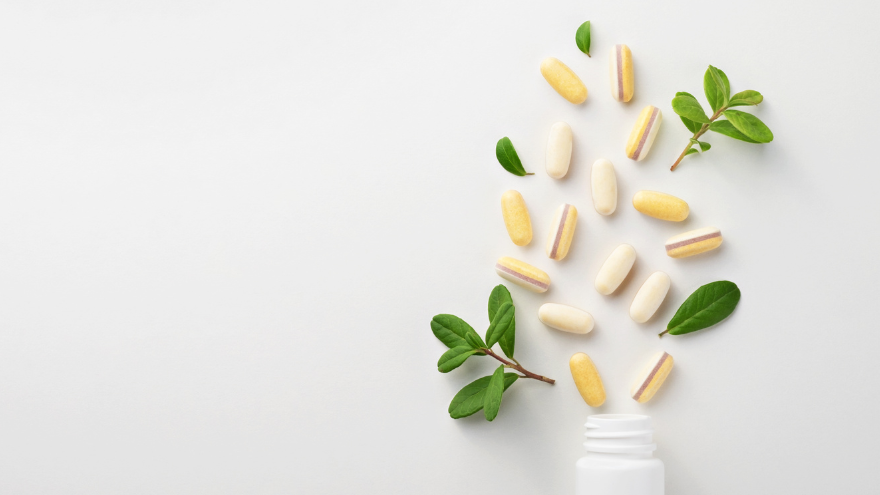
What are the best vitamins?
You might know a little about vitamins, and perhaps you even take them daily, but do you really know what they are? Here are the answers to your questions about essential vitamins:
What are vitamins?
Vitamins are compounds that our bodies need to function properly. Since we cannot produce most of them, we must obtain them from our diet. There are a total of 13 vitamins, and they are classified as micronutrients because we only need them in small amounts, usually in milligrams (mg) or micrograms (mcg or μg) per day. One exception is Vitamin D, which we produce through the effect of sunlight on our skin. We can also produce Vitamin B3, known as niacin, from an amino acid called tryptophan - although we must also ingest this from foods such as nuts, seeds, tofu, cheese, meat, fish, oats, beans, lentils, and eggs.
Why do we need vitamins?
Without them, our bodies would not be able to perform essential tasks such as converting food into energy, building and maintaining bones, teeth, muscles, skin, blood, and hair, as well as maintaining the proper function of the brain, eyes, nervous system, and immune system. Some vitamins work together with other nutrients: Vitamin C helps with iron absorption from plant-based foods, and Vitamin D helps with calcium absorption. Vitamins A, C, and E all have antioxidant effects, meaning they help protect cells from damage caused by free radicals.
The different types of vitamins
Vitamins are classified into two groups: water-soluble and fat-soluble vitamins. Fat-soluble vitamins A, D, E, and K are stored in our liver and fatty tissues. This means we don't have to consume them every day, but there is a risk of them accumulating in the body, which can be harmful.
We cannot store water-soluble Vitamin C and the eight B vitamins: thiamine, riboflavin, niacin, pantothenic acid, biotin, folic acid, and B12, so we excrete the excess through our urine.
Which are the most important vitamins?
Every vitamin is essential, but we must consume water-soluble vitamins every day because we excrete the excess. Fortunately, they are found in many different foods. Besides oranges, Vitamin C is found in broccoli, strawberries, red and green peppers, Brussels sprouts, and even potatoes! We can get B vitamins from whole grains, fortified cereals, rice, oats, liver, meat, fish, dairy products, eggs, potatoes, broccoli, spinach, soy, and legumes. Many of us are low on Vitamin D, which is important for bones, muscles, and immunity. Those at risk of low Vitamin D levels include people who spend little time outdoors, those with dark skin, or those who cover their skin. Food sources of Vitamin D include oily fish, eggs, fortified cereals, meat, and fatty spreads.
What happens if we don't get enough vitamins?
Deficiency states can develop. Vegans and some vegetarians, for example, are at risk of Vitamin B12 deficiency, as this vitamin is found mainly in animal products. B12 deficiency can lead to fatigue, depression, and serious neurological problems. People with diseases affecting nutrient absorption, such as celiac disease or Crohn's disease, can be at risk for many deficiencies, as can those taking certain medications and the elderly; older people are unable to properly absorb nutrients due to decreased stomach acid levels. Smokers may have low Vitamin C levels, heavy alcohol consumers may be low in B vitamins, and overweight or obese people have been shown to have low levels of C, D, B12, and folic acid.
Low levels of key vitamins can lead to vague symptoms such as fatigue, aches and pains, weak immunity, low mood, and skin, hair, and nail problems.
What happens if we take too many vitamins?
Too much Vitamin A from food or supplements can lead to liver and bone damage and cause birth defects. However, for Vitamin A levels to be harmful, you would need to consume an excess every day for several years. And although we excrete excess amounts of water-soluble vitamins through urine, high Vitamin C levels can cause diarrhea, while too much niacin over a long period can lead to liver damage.
If you take multiple food supplements, be sure not to double up on vitamins - for example, do not take a multivitamin and cod liver oil rich in Vitamin A as well.
Vitamins for a healthy lifestyle: Holland & Barrett vitamins
Sources:
1. British Nutrition Foundation. Vitamins
2. Daisy Whitbread. My Food Data. Top 10 foods highest in tryptophan
3. Harvard Health Publishing. Listing of vitamins
4. Verena Tan. Healthline. How to increase the absorption of iron from foods
5. Harvard Health Publishing. Two keys to strong bones: Calcium and vitamin D
6. BBC iWonder. Antioxidants: The magic bullet?
7. Christian Nordquist. Medical News Today. Vitamins: What are they and what do they do?
8. NHS. Vitamin C
9. NHS. B vitamin and folic acid
10. gov.uk. PHE publishes new advice on vitamin D
11. As Source 1

Leave a comment
All comments are moderated before being published.
This site is protected by hCaptcha and the hCaptcha Privacy Policy and Terms of Service apply.