
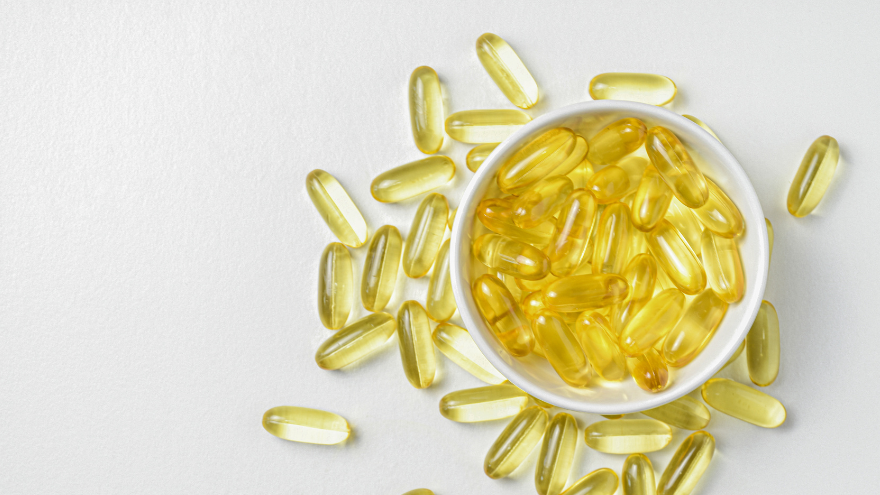
What is omega-3 good for?
Omega-3 fatty acids are essential fats that the body needs but cannot produce on its own.
Omega-3s are vital because they are an important part of the cell membranes in your body, which influence the function of cell receptors.
They are part of the starting point for your body's hormone production, blood clotting regulation, the contraction and relaxation of artery walls, and inflammation.
You can get omega-3 from oily fish, such as salmon and sardines.
Omega-3 for the eyes
One type of omega-3, DHA, is a key structural element of the retina of your eye.
And perhaps it's no surprise that you might have vision problems if you don't get enough DHA. And while consuming DHA omega-3s won't reverse retinal damage, it can help preserve your vision, as well as alleviate dry eyes and chronic inflammation of the eyelids.
Omega-3 for brain and mental health
Some studies suggest that people who consume omega-3 regularly are less prone to depression, and may also experience improvements in symptoms of anxiety or depression after starting to consume more fatty acids.
Of the three most common types of omega-3, EPA appears to be the most effective in the fight against depression. There is also evidence from studies that omega-3 intake can help reduce mental decline in old age and the risk of Alzheimer's disease. And because omega-3s are an important structural part of brain cell membranes, and appear to have anti-inflammatory and antioxidant effects, they can potentially promote healthier brain cells and less deterioration in general.
Omega-3 during pregnancy
The omega-3s that we need as adults are also important for the healthy development of the fetus when someone is pregnant, and for the baby's healthy development after birth. Omega-3s are vital for the growth and development of infants' brains, as well as their vision.
There are also numerous correlations between good omega-3 intake during pregnancy and later outcomes for the child.
These include higher intelligence, better communication and social skills, a lower risk of developmental delays, fewer behavioral problems, as well as a lower risk of autism and cerebral palsy.
Omega-3 for inflammation and heart health
Inflammation is an important and healthy response to infections or damage within the body.
Sometimes, however, it can persist for too long, which can then contribute to the development of several further diseases.
Omega-3s can contribute to reducing the production of inflammation-related inflammatory eicosanoids and cytokines.
Omega-3s also appear to help the heart beat steadily and reduce blood pressure, as well as - as mentioned above - improve blood vessel function.
High amounts of omega-3 can help lower triglycerides and alleviate inflammation.
Increased omega-3 intake can help with metabolic syndrome, which is a collection of conditions such as abdominal fat, high blood pressure, insulin resistance, and high triglyceride levels.
The fatty acids appear to be able to improve insulin resistance, inflammation, and risk factors for heart disease, which is important because metabolic syndrome can eventually increase the risk of diabetes and heart disease.
Omega-3 for menstrual pain
Numerous factors determine how severe menstrual pain is, and it appears that one of these is omega-3 consumption.
Studies have repeatedly shown that higher amounts of omega-3s can lead to milder menstrual pain, and one study found them to be more effective than ibuprofen.
Foods containing Omega-3
Although there are various green foods and seeds that contain ALA-type omega-3 (such as walnuts, chia, and algae), your body actually needs DHA and EPA omega-3s for the benefits mentioned above.
Your body is capable of converting a small percentage of ALA omega-3s into DHA and EPA, but ideally, you would want to consume both directly.
For vegetarians, this can be difficult, as DHA and EPA are found in fish such as salmon, sardines, mackerel, cod, herring, trout, and canned tuna in water.
The best omega-3 and fish oil supplements
Which is the best omega-3 capsule? You can take cod liver oil supplements or other supplements based on the fish mentioned above. If these are not an option for you, dairy and animal products such as eggs, margarine, milk, and yogurt sometimes also contain omega-3, especially if they are fortified or if the animals they come from were fed a grass- or chia-based diet. We can obtain ALA omega-3 from flaxseeds, oatmeal, pumpkin seeds, Brussels sprouts, kale, spinach, broccoli, and cauliflower as well.
You can find a complete list of omega-3 dietary supplements HERE!
Vitamins for a healthy lifestyle: Holland & Barrett vitamins
Sources:
https://www.hsph.harvard.edu/nutritionsource/what-should-you-eat/fats-and-cholesterol/types-of-fat/omega-3-fats
https://www.ncbi.nlm.nih.gov/pubmed/2136947
https://www.health.harvard.edu/heart-health/omega-3-for-your-eyes
https://www.healthline.com/nutrition/17-health-benefits-of-omega-3
https://www.ncbi.nlm.nih.gov/pubmed/28466678
https://www.health.harvard.edu/staying-healthy/do-omega-3s-protect-your-thinking-skills
https://www.healthline.com/nutrition/17-health-benefits-of-omega-3
https://www.healthline.com/nutrition/17-health-benefits-of-omega-3
https://www.healthline.com/nutrition/17-health-benefits-of-omega-3
https://www.hsph.harvard.edu/nutritionsource/what-should-you-eat/fats-and-cholesterol/types-of-fat/omega-3-fats
https://www.healthline.com/nutrition/17-health-benefits-of-omega-3
https://www.ncbi.nlm.nih.gov/pmc/articles/PMC3770499/
https://www.mayoclinic.org/diseases-conditions/heart-disease/in-depth/omega-3/art-20045614
https://www.webmd.com/diet/guide/your-omega-3-family-shopping-list
https://www.webmd.com/diet/guide/your-omega-3-family-shopping-list



Leave a comment
All comments are moderated before being published.
This site is protected by hCaptcha and the hCaptcha Privacy Policy and Terms of Service apply.