
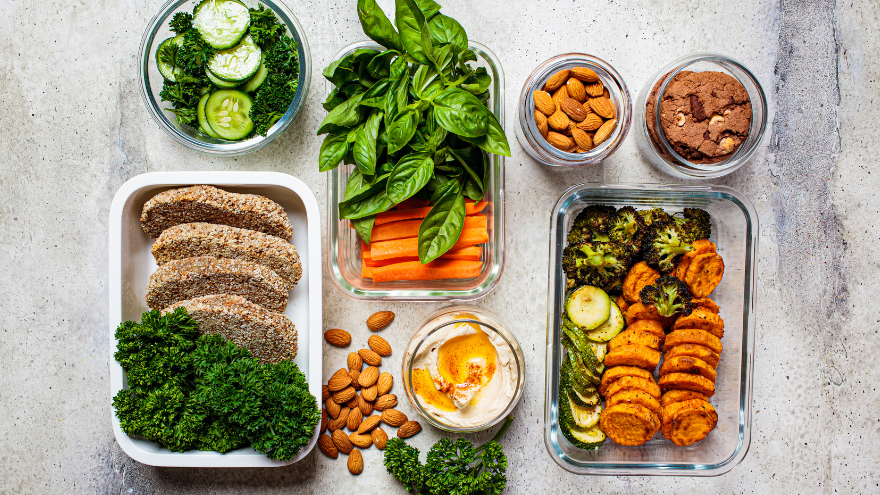
Vegan diet: How to plan a complete vegan meal?
Why is it important?
Many people worry that a vegan diet does not provide all the necessary nutrients. This article helps readers confidently put together a complete diet that includes all essential nutrients. A vegan diet can be not only sustainable but also healthy if planned correctly. A complete vegan meal provides the nutrients the body needs. Here is how to get started!
🌿1. Why is variety important?
A varied diet helps ensure you get all the essential nutrients. Combine vegetables, legumes, grains, and healthy fats to ensure your meals are balanced.
🌿2. Nutrients and their sources
Protein: Legumes, tofu, quinoa.
Omega-3 fatty acids: Chia seeds, flaxseeds, walnuts.
Iron: Spinach, chickpeas, lentils.
Calcium: Broccoli, tahini, almond milk.
B vitamins: Nordvital B-complex – essential for a vegan diet.
🌿3. How to assemble your plate?
A simple rule for a balanced vegan meal:
Half a plate of vegetables: Roasted or fresh vegetables.
A quarter plate of protein: Tofu, legumes, or tempeh.
A quarter plate of carbohydrates: Quinoa, brown rice, or sweet potatoes.
Healthy fats: Avocado, walnuts, seeds.
🌿4. Example of a daily vegan menu
Breakfast: Oatmeal with chia seeds, bananas, and walnuts.
Lunch: Buddha bowl with quinoa, roasted vegetables, and tahini.
Dinner: Lentil stew with buckwheat.
Snack: Vegan energy bars or dried fruits.
Summary:
The key to a complete vegan meal is variety and choosing the right ingredients. Combine proteins, carbohydrates, and fats with fresh vegetables, and don't forget the necessary supplements. A plant-based diet not only supports your health but also makes you more sustainable and conscious.

Leave a comment
All comments are moderated before being published.
This site is protected by hCaptcha and the hCaptcha Privacy Policy and Terms of Service apply.