
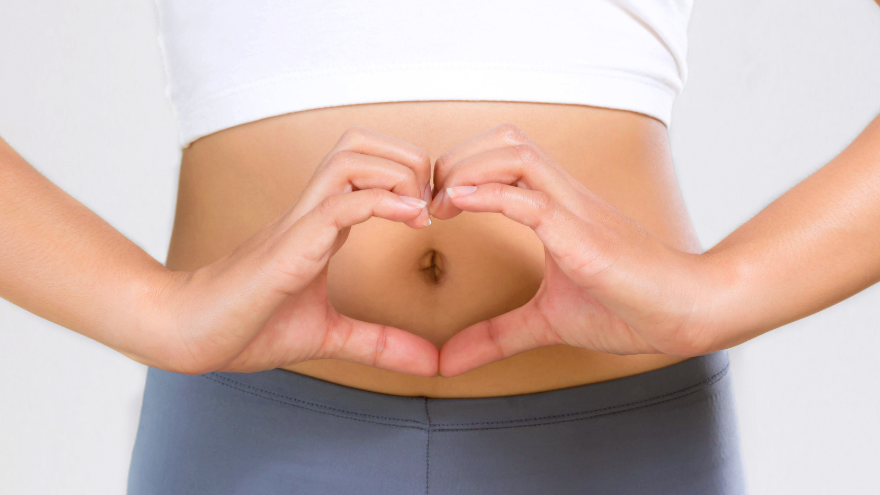
Everything about digestive enzymes
Good digestion means absorbing nutrients from the food you eat – and digestive enzymes are key to this. Digestive enzymes are proteins released in the digestive system that help break down food into easily absorbable nutrients that our body can use.
Discover why digestive enzymes can be the key to good digestion.
Why can digestive enzymes be the key to good digestion?
Why do we need a healthy digestive system?
Only by properly digesting our food can we absorb all the nutrients our body needs to maintain good health.
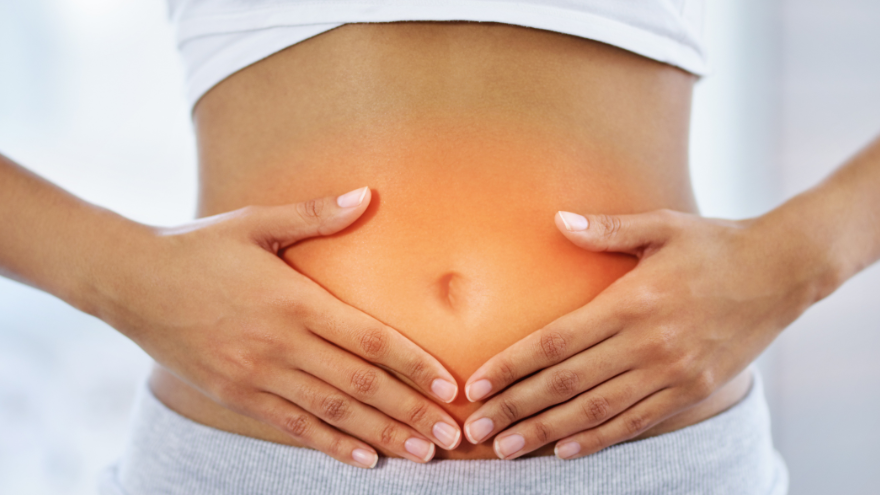
Symptoms of poor digestion include heartburn, indigestion, bloating, diarrhea, and constipation. You may also notice undigested food in your stool.
What are digestive enzymes?
These are proteins that enter the digestive system, mainly from the pancreas and the small intestine.
They have a very important task – to break down the food consumed into nutrients that our body can absorb and utilize.
Many different enzymes are involved in digestion, but the three main types are:
• Amylase – breaks down carbohydrates into sugars
• Protease – digests proteins into amino acids
• Lipase – converts fats (lipids) into fatty acids and glycerin
How can digestive enzymes help?
A 2016 study published in the journal Current Drug Metabolism found that digestive enzymes can help treat digestive disorders, including lactose intolerance. It can also help those suffering from discomfort in the digestive system caused by, for example, irritable bowel syndrome. Stress also affects digestive enzymes, reducing their production; when we are in fight or flight mode, our body gives low priority to digestion.
What to look for in a digestive enzyme
Digestive enzymes are available as single or mixed enzymes. They can be:
• bromelain derived from pineapple or papain from papaya
• extracted from plants such as fungi and yeast
• pancreatic enzymes taken from animals
Check the label to find out which enzymes are included and their source, especially if you are vegetarian or vegan.
Also check which foods are broken down in the body – for example, if you have lactose intolerance, look for lactase.
Digestive enzyme supplements: benefits, dosage, side effects
Digestive enzyme supplements are designed to replenish the body's natural digestive enzymes and support gut health.
Not everyone needs this extra help, but it may be necessary if you don't produce enough enzymes – this can slow down the digestive process, leading to uncomfortable digestive symptoms such as gas, bloating, and indigestion.
Causes of digestive enzyme deficiency
Causes of digestive enzyme deficiency can include:
• aging
• too little or too much exercise
• poor diet – for example, consuming too little protein, too many calories, or too many refined carbohydrates
• health conditions such as gallstones or diabetes
Additionally, digestive enzyme supplements can be useful for various conditions, including:
Irritable Bowel Syndrome (IBS)
While evidence for the use of digestive enzymes to alleviate IBS is mixed, a 2010 study in the USA on patients with IBS found that the occurrence of cramps, bloating, and loose stool was lower when taking an enzyme combination before meals.
Lactose intolerance
People with this condition do not produce enough of the lactase digestive enzyme to break down lactose.
A 2008 study reported that taking a lactase supplement could help with symptoms, but other studies have yielded mixed results.
Dosage: How much is safe to take?
Amounts vary depending on the individual supplement, so read the label carefully before use.
If you are not sure which enzyme you need, try a multi-enzyme supplement – this provides all enzymes in one dose. Do not take digestive enzyme supplements if:
• You are pregnant or breastfeeding – their safety has not been proven
• You are taking blood-thinning medications – the enzyme bromelain also thins the blood
What are the side effects of taking digestive enzyme supplements?
Initially, digestive enzyme supplements may cause the exact symptoms you are trying to treat, which means you may notice the following:
• gas
• bloating
• abdominal cramps
• loose stools
• indigestion
Other side effects may include:
• headache
• neck pain
• nasal congestion
• dizziness
Always speak to a healthcare professional or a registered dietitian before using digestive enzymes for the first time. Find out which foods are good for your digestion.
Vitamins for a healthy lifestyle: Holland & Barrett vitamins
Sources:
https://www.healthline.com/health/malabsorption
http://www.bbc.co.uk/schools/gcsebitesize/science/add_aqa/proteins/proteinsrev4.shtml
https://www.ncbi.nlm.nih.gov/pmc/articles/PMC4923703/
https://www.ncbi.nlm.nih.gov/pmc/articles/PMC4923703/
https://www.ncbi.nlm.nih.gov/pubmed/19152478
http://www.europeanreview.org/article/957
https://www.ncbi.nlm.nih.gov/pubmed/22314561
https://www.ncbi.nlm.nih.gov/pubmed/19152478
https://www.ncbi.nlm.nih.gov/pmc/articles/PMC4923703/
https://fg.bmj.com/content/2/1/48
https://www.ncbi.nlm.nih.gov/pubmed/1812045
https://www.clinicaleducation.org/news/digestive-enzymes/
https://fg.bmj.com/content/2/1/48
https://www.ncbi.nlm.nih.gov/pubmed/19152478
https://www.ncbi.nlm.nih.gov/books/NBK310267/
https://www.rxlist.com/consumer_digestive_enzymes_zenpep/drugs-condition.htm
https://www.rxlist.com/consumer_digestive_enzymes_zenpep/drugs-condition.htm
https://www.rxlist.com/consumer_digestive_enzymes_zenpep/drugs-condition.htm
https://www.rxlist.com/consumer_digestive_enzymes_zenpep/drugs-condition.htm


Leave a comment
All comments are moderated before being published.
This site is protected by hCaptcha and the hCaptcha Privacy Policy and Terms of Service apply.