
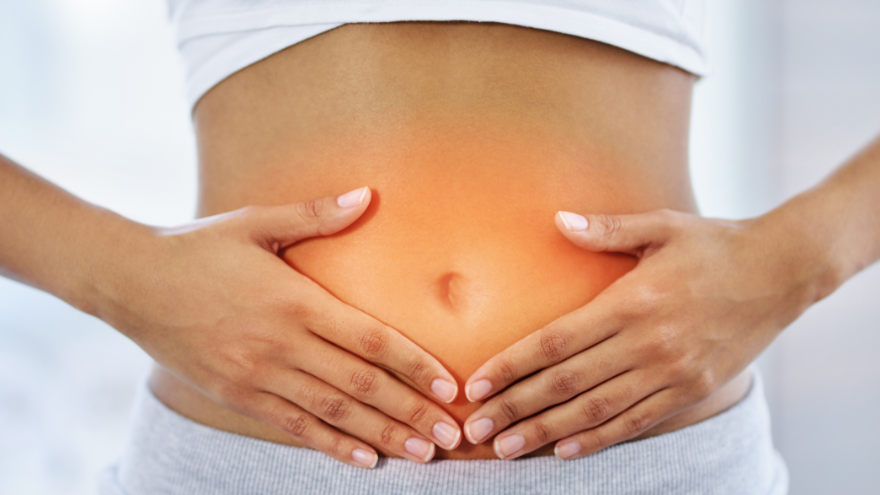
What causes indigestion
You might think you are eating healthily and carefully, but does your digestive system disagree? Let's take a look at what else could be happening... We are all aware of certain poor eating habits or types of food that can cause indigestion. Wolfing down lunch can cause afternoon bloating; while in the case of a "who can eat the hottest curry" competition, you might end up locked behind the bathroom door with stomach troubles.
Sometimes, however, it is less easy to figure out what is behind indigestion, heartburn, stomach pain, or other digestive problems. In this article, we will examine the effects of the following on digestion: Fiber, Alcohol, Caffeine, Smoking, Painkillers, Eating habits, Vitamin C, Vitamin B12, Stress.
A healthy gut:
- Gradual fiber increase
- A busy night
- A bit too much caffeine
- Smoking habit
- Taking certain painkillers
- Eating late at night
- Overdoing Vitamin C
- Stress shuts down digestion
Gradual fiber increase
It is often said that we should increase fiber in our diet for better digestion. But a sudden and significant increase in the amount of fiber consumed can shock the digestive system and lead to bloating, constipation, and discomfort.
What you can do about it: Always increase fiber in your diet gradually so that your body has time to adapt. And make sure to drink more water as well, since fiber absorbs fluid, helping to keep stool soft.
A busy night
Alcohol irritates the digestive system by producing more stomach acid than normal. This can lead to acid reflux and inflamed stomach lining. Alcohol also reduces the number of digestive enzymes produced by our body, which means we may not absorb the nutrients needed to properly break down our food.
What you can do about it: Stick to the 14 units of alcohol per week guideline, and limit the total amount consumed in one day. Alternatively, avoid it completely.
A bit too much caffeine
Some people are sensitive to caffeine and find that it increases acid production in the stomach, triggering heartburn. Coffee also has a laxative effect. A 1998 study published in the European Journal of Gastroenterology & Hepatology, involving 12 healthy people, found that a cup of black coffee stimulates the colon muscles just as effectively as starting to eat.
What you can do about this: Reduce the consumption of caffeinated tea and coffee, and be aware of "hidden" sources of caffeine, such as in chocolate, energy drinks, and certain medications.
Smoking habit
Smoking attacks the sphincter muscle at the end of the esophagus, which prevents acid from leaving the stomach.
Cue acid reflux, which can lead to ulcers and inflammatory bowel diseases.
Taking certain painkillers
Non-steroidal anti-inflammatory drugs (NSAIDs), such as ibuprofen and aspirin, can irritate the gut lining by weakening its defenses against stomach acid. This can lead to ulcers or bleeding. Taking NSAIDs can also weaken the esophageal sphincter – increasing the chance of heartburn.
Eating late at night
Our bodies digest food best in an upright position. This means that if you lie down in bed shortly after eating, stomach acid can reach the esophagus much more easily, which causes heartburn.
What you can do about it: Help your digestive system by allowing three to four hours between eating and going to bed so that your stomach can empty.
In a 2003 study published in Gut, researchers found that stomach gas passes more quickly when participants are in an upright position than when they are lying flat on their backs. If heartburn continues to bother you in bed, try propping up your shoulders with pillows or elevating the head of your bed so your chest is higher than your waist.
Too much Vitamin C
We need Vitamin C every day, but some find that taking large amounts—usually over 1000 mg—in supplement form can cause diarrhea, bloating, and stomach pain.
What you can do about this: Always read the label and follow the correct dosage instructions. You can also try a "buffered" Vitamin C supplement, which contains minerals to make it easier on sensitive digestion.
Does stress shut down digestion?
When you feel stressed, it is normal to experience symptoms like insomnia or find yourself relying on coffee to get through the day. But stress can also affect your digestion, which can have serious repercussions. If our digestion is disrupted, we might not produce enough stomach acid. This means we cannot properly absorb nutrients from our food, leading to vitamin and mineral deficiencies.
The importance of Vitamin B12
Vitamin B12 has many important roles, mainly helping our body convert food into energy. Furthermore, it can promote the production of red blood cells to transport oxygen in the body and helps maintain brain and nervous system health. We cannot produce B12 naturally, so we must obtain it from foods such as meat, fish, eggs, and dairy products, or supplements. B12 is also found in fortified cereals, soy products, and some plant-based milks. The problem with Vitamin B12 is that we rely on stomach acid for its absorption—and up to a third of us do not produce enough.
B12 and stomach acid
B12 from food is bound to protein. Before it can be absorbed and used by the body, this bond must be broken—by stomach acid.
Then it must bind to another protein called intrinsic factor, which is produced by the same cells that produce stomach acid.
However, issues like bacterial infections, thyroid problems, and aging can all cause a drop in stomach acid production. In fact, by the time we reach our fifties, 10–30% of people will struggle with absorbing B12 from food due to low stomach acid levels. Stress makes our digestion especially difficult. The body's stress response diverts blood away from the digestive system and toward the muscles to prepare us for "fight or flight." This can affect our stomach acid in two ways: by increasing or decreasing its production.
In a study published in the journal Digestive Diseases and Sciences in 1990 involving 14 healthy men, mental stress increased gastric volume (stomach acid) in about half of the volunteers, but decreased it in the other half.
Therefore, managing stress sources should be the first step toward restoring stomach acid levels.
Increase your B12 intake
Industry experts suggest that adults get at least 1.5 micrograms of B12 daily.
However, if you have low stomach acid levels, you may need more.
If you are deficient in B12, you may experience the following:
• extreme fatigue
• lack of energy
• muscle weakness
• dizziness or loss of balance
• reduced sensitivity to pain or pressure
• tingling or numbness
• vision disturbances
• pale, yellowish skin
Address low acid levels
You can also take steps to restore your stomach acid balance. Some experts recommend drinking diluted lemon juice or apple cider vinegar to increase stomach acidity, or trying a digestive enzyme containing betaine hydrochloride (betaine HCl).
In a 2013 pilot study by the University of California involving six volunteers, 1500 mg of betaine HCl was found to help reduce stomach pH, which in turn can increase stomach acid production.
Talk to a healthcare professional if you have digestive problems and want to try complementary remedies. The key is understanding what triggers your digestive issues. If your digestive system is not functioning properly, it can cause constipation, diarrhea, indigestion, and acid reflux. If these sound familiar to you, don't worry—these are very common problems. Poor digestive health can also be the cause of more serious conditions, such as inflammatory bowel disease (IBD) and irritable bowel syndrome (IBS). However, most digestive complaints can be resolved by making dietary changes once you have identified what might be causing your flare-ups. Even if you only suffer from occasional digestive discomfort, it is worth paying attention to your gut and what it's trying to tell you. You might be sensitive to certain foods or drinks in your diet. You might be eating too much, too little, too fast, or at the wrong time. A varied diet rich in fruits, vegetables, and whole grains, avoiding smoking, and drinking in moderation are great first steps in taking care of your gut.
However, it is a good idea to get to know your gut better to see what works best for you personally.
Keep a food diary
For two weeks, keep a record of everything you eat and drink. Note the time of day you consumed it, and briefly write down what is happening at that time. For example, if you grab a sandwich between two meetings, eat sweets in the car, or give in to a midnight snack—this is all relevant. Try to give an idea of the amount of food consumed. Remember that portion sizes are often smaller than we think! For example, a serving of dry pasta is 75 g, which corresponds to a few handfuls or a small bowl. Your smartphone can help. There are many free apps on the market that you can use to track your digestion.
How to keep a food diary?
1. Write down everything you eat daily
Include when you ate it, as well as the severity and timing of any symptoms that day.
2. Look for patterns
Is there a pattern where consuming a certain food regularly coincides with an increase in your symptoms? If so, consider removing this food from your diet for a few weeks.
3. Reintroduce foods gradually, in small quantities.
This allows your body to adapt to and accept the foods you may be more sensitive to. Keep a record of changes in your symptoms. This way, you can determine how much you can eat without triggering a reaction.
4. Repeat with other foods
If necessary, repeat the same steps with other foods that may be triggering your digestive issues.
Analyzing the results
Wheat, carbonated drinks, and dairy products often cause bloating, as does alcohol.
In fact, alcohol, caffeine, and smoking are all risk factors for those with sensitive stomachs, and they should be eliminated if possible, at least until we see if symptoms improve.
Fatty, spicy, and greasy foods found in many fast-food restaurants disrupt your digestion, so consider avoiding them or finding healthier alternatives if they seem to be a trigger for you.
Vegetables such as onions and cabbage, as well as beans, can cause excessive gas and bloating.
However, these foods are healthy, so it is not advisable to cut them out completely; instead, consume them in small quantities and build up your tolerance.
It may happen that some of your eating is linked to stress or boredom.
If you eat for reasons other than hunger, it will likely lead to making poor choices, without prioritizing the health of your digestive system.
If you find yourself craving sugary foods in front of the TV an hour after dinner, take a look at your lifestyle and consider an evening walk after dinner, or a hobby that gets you out of the house so you aren't tempted. You might be choosing bad foods out of habit.
Vitamins for a healthy lifestyle: Holland & Barrett vitamins
Sources:
https://www.ncbi.nlm.nih.gov/pmc/articles/PMC2886943/
www.nhs.uk/live-well/eat-well/good-foods-to-help-your-digestion/
www.nhs.uk/conditions/constipation
https://www.guysandstthomas.nhs.uk/resources/patient-information/gi/increasing-the-amount-of-fibre-in-your-diet.pdf
https://www.webmd.com/digestive-disorders/features/bloated-bloating#1
https://www.drinkaware.co.uk/alcohol-facts/health-effects-of-alcohol/effects-on-the-body/is-alcohol-harming-your-stomach/
https://www.drinkaware.co.uk/alcohol-facts/health-effects-of-alcohol/effects-on-the-body/is-alcohol-harming-your-stomach/
https://www.nhs.uk/conditions/Indigestion/
https://www.drinkaware.co.uk/alcohol-facts/health-effects-of-alcohol/effects-on-the-body/is-alcohol-harming-your-stomach/
https://www.drinkaware.co.uk/alcohol-facts/alcoholic-drinks-units/latest-uk-alcohol-unit-guidance/
www.nhs.uk/live-well/eat-well/good-foods-to-help-your-digestion/
https://www.ncbi.nlm.nih.gov/pubmed/9581985
https://www.ncbi.nlm.nih.gov/pmc/articles/PMC5445139/
https://www.nhs.uk/live-well/eat-well/five-lifestyle-tips-for-a-healthy-tummy/
https://www.hopkinsmedicine.org/healthlibrary/conditions/digestive_disorders/medications_and_the_digestive_system_85,P00389
https://www.nhs.uk/conditions/Indigestion/
https://www.ncbi.nlm.nih.gov/pmc/articles/PMC1773697
https://www.nhs.uk/conditions/heartburn-and-acid-reflux/
https://www.nhs.uk/conditions/vitamins-and-minerals/vitamin-c/#what-happens-if-i-take-too-much-vitamin-c
http://blogs.oregonstate.edu/linuspaulinginstitute/2015/05/28/questions-about-vitamin-c/
https://universityhealthnews.com/daily/digestive-health/low-stomach-acid-the-surprising-cause-of-many-indigestion-symptoms/
https://www.hsph.harvard.edu/nutritionsource/b-12-deficiency/
https://link.springer.com/article/10.1007/BF01537249
https://www.ncbi.nlm.nih.gov/pmc/articles/PMC3946491/
https://www.nhs.uk/Livewell/digestive-health/Pages/gut-health.aspx.
https://www.everydayhealth.com/digestive-health-pictures/mobile-apps-for-digestion-tracking.aspx.



Leave a comment
All comments are moderated before being published.
This site is protected by hCaptcha and the hCaptcha Privacy Policy and Terms of Service apply.