
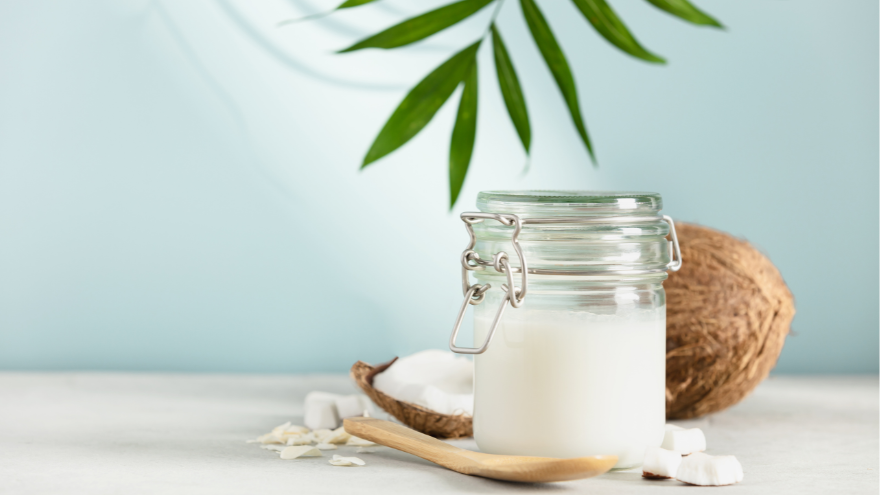
Coconut fat or coconut oil? Is there a difference? What is coconut oil good for?

Coconut oil or coconut fat is a very healthy and great alternative to most vegetable oils we use for cooking and baking. Besides this, it works great as a facial and skin care product, and coconut oil is also very good for hair, as it contains a great deal of useful vitamins and minerals, and also has excellent antifungal and antibacterial properties. Furthermore, it can be used perfectly during pregnancy and for babies as well.
Table of contents
-
What is the difference between coconut fat and coconut oil?
- What is coconut oil good for? The benefits of coconut oil
- Vitamin and mineral content of coconut oil
- What can we use coconut oil for?
- How to use coconut oil for skin?
- Bulletproof coffee, how to boost your day with coconut fat
- How to use coconut oil for our face?
- Coconut fat price in 2022
- How does organic coconut oil differ from regular?
- Can coconut oil be consumed during pregnancy?
What is the difference between coconut fat and coconut oil?
There is no difference between coconut fat and coconut oil; they refer to the same product. The reason it is called fat is that at room temperature, below 22-24°C, it takes on a more solid state similar to fat, is white in color, and is not translucent. Whereas when kept at higher temperatures, it takes on an oily form and a transparent color, just like most oils.
Additionally, it is worth noting that it exists in several forms; there is refined coconut fat and unrefined as well.
Below 23-24 degrees, coconut fat is in a white solid state; at higher temperatures, it turns into a liquid, an oil. It exists in refined and unrefined forms. The refined version differs in that it is filtered more, which is why both its smell and taste are more neutral than less refined coconut fat.
Just like olive oil, extra virgin versions of coconut fat are also made, which are obtained by cold pressing at room temperature, typically extracted from the coconut during the first phase of production and processing.
What is coconut oil good for? The benefits of coconut oil
- potassium
- phosphorus
- magnesium
- calcium
- iron
- sodium
- zinc
What can we use coconut oil for?
We can use coconut oil for preparing meals and desserts, as we can replace almost any other cooking oil with it, and due to its positive effects on health, it is more advantageous to do so. It can be used almost regardless of diet, as even vegetarian and vegan individuals can consume it, given that most products do not contain any other additives either.
We can use it for pan-frying meat and vegetables; in this case, it is worth ensuring what brand and what type of coconut fat or coconut oil we are using (the two are identical), though there are extra virgin, filtered, and unfiltered versions, and with the latter, you might encounter a coconut aftertaste. However, this can be an advantage if we are preparing Asian dishes.

Bulletproof coffee: how to boost your day with coconut oil
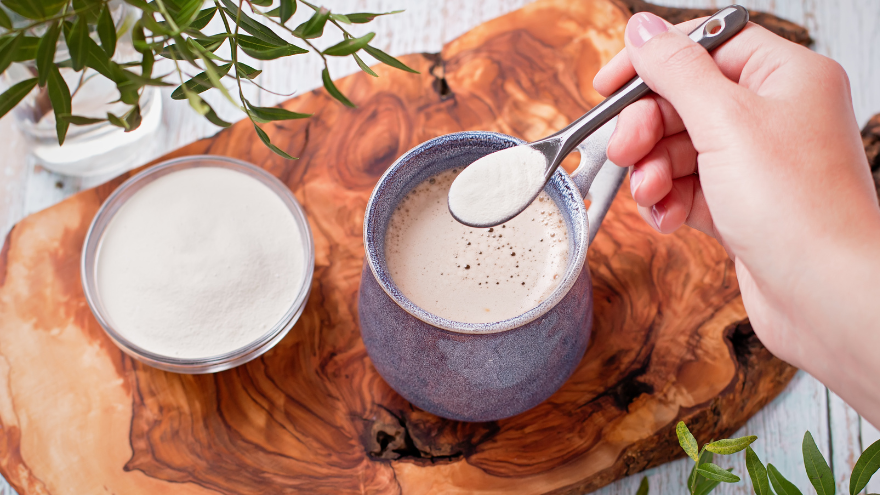
You can also use coconut oil in coffee, which complements it perfectly. It makes our morning coffee creamier, and the fats it contains are slow-absorbing, which also enhances the invigorating effect of the caffeine in the coffee.
In addition, the extra fat introduced this way triggers ketogenic processes in the body, causing our system to start producing the energy it needs for operation from fats instead of carbohydrates; thus, when the fats consumed with the coffee are exhausted, the body reaches for and begins to use stored reserves.
How do we use coconut oil on our skin?
In addition to being a food product, coconut oil is also excellent for nourishing our skin, which is why it is used in cosmetic products as well. Coconut oil is packed with antioxidants and contains plenty of Vitamin C and Vitamin E, so it effectively slows down skin aging.
Basically, we can use it as an ointment to care for our skin, but keep in mind that it takes longer to absorb than store-bought ointments. Furthermore, it can help alleviate sunburn, skin irritation, and dry skin, and also promotes wound healing thanks to its antibacterial effect and the vitamins it contains.
The adventurous can even try it as a deodorant, since body odors are also caused by bacteria, and the antibacterial effect of coconut oil works exactly against these.
The use of fractionated coconut oil is also becoming increasingly popular, as it is a colorless, odorless oil. The effect of fractionated coconut oil is that it does not leave the skin greasy, but rather silkily soft.
How do we use coconut oil on our face and hair?
Thanks to the vitamins, minerals, nutrients, and antioxidants found in coconut oil, it protects our skin, which is especially true when it comes to the skin of our face, as our skin is much thinner here. Furthermore, it is exposed to much higher stress here, so it is important that we pay special attention to our facial skin.
You can also use coconut oil to remove makeup; most makeup can be easily washed off with coconut oil warmed in your hands and a cotton pad. This way, we can wash off our makeup in the evening in a natural, inexpensive way. For men, it is also worth trying coconut oil as an aftershave.
Coconut oil also works great against dry lips and cold sores, so feel free to try this excellent natural ingredient for these purposes as well.
Coconut oil for hair has become particularly popular in recent times, as it nourishes weakened hair, making it silky and soft. Once a week, massage a very small amount of coconut oil into washed and slightly dried hair.

Coconut oil price in 2023
The price of coconut oil typically ranges around 1400 to 4700 HUF in 2023. This usually applies to the 1-liter packaging. Additionally, as written above, there are extra virgin, cold-pressed coconut oils, as well as spray-dispenser coconut oil made specifically for frying and cooking. There are also coconut oils sourced from organic-certified farms. The price of fractionated coconut oil can even reach 9000-10,000 HUF.
Special uses of coconut oil
We can also use coconut oil for baby care, as it is a great solution against cradle cap, and we can also use it instead of diaper cream if we want to apply more natural solutions.
Furthermore, several articles discuss the use of coconut oil as a lubricant. However, it is worth paying attention to a few things in this case. For example, not all coconut oil is the same. As we wrote above, there are extra virgin, refined, and unrefined forms, as well as hydrogenated forms. It is also important that if you use a latex-based condom for protection, the rubber can easily tear, so in such cases, choose another method of contraception or a condom made of polyurethane.
The pH value of coconut oil is actually nearly identical to that of female genitalia, so in most cases, it does not cause problems; in fact, its antibacterial and antifungal effects are beneficial in these situations as well.
How does organic coconut oil differ from regular coconut oil?
Coconut oil is produced from dried coconut meat. Due to contaminants, dirt, and dust incurred during processing and drying, it is cleaned, bleached, and treated with various substances. Furthermore, depending on the manufacturing technology, it is treated at high heat or with various chemical processes, which is how the characteristic odors, tastes, and aromas are removed. Certain manufacturers also hydrogenate the coconut oil to varying degrees.
The production of organic coconut oil differs in that it is pressed from fresh coconut meat; in this case, the raw material undergoes a quick drying process to remove the water from the coconut meat, after which the oil is pressed out of it.
Can coconut oil be consumed during pregnancy?
As written above, coconut oil can be used for babies to remove cradle cap or as a diaper ointment. Additionally, it is worth mentioning what benefits the consumption and use of coconut oil can have during pregnancy.
Coconut oil is rich in vitamins (Vitamin B1, Vitamin B2, Vitamin B6, Vitamin E, and Niacin) and minerals (potassium, phosphorus, magnesium, calcium, iron, sodium, and zinc).
Furthermore, we can use coconut oil to rub on the belly from the very beginning of pregnancy. With this, we can increase the skin's elasticity, and it can also help in fading naturally appearing cracks, stretch marks, skin blemishes, and scars.
It may be worth asking your obstetrician or gynecologist about its use and how to apply it.

Leave a comment
All comments are moderated before being published.
This site is protected by hCaptcha and the hCaptcha Privacy Policy and Terms of Service apply.