
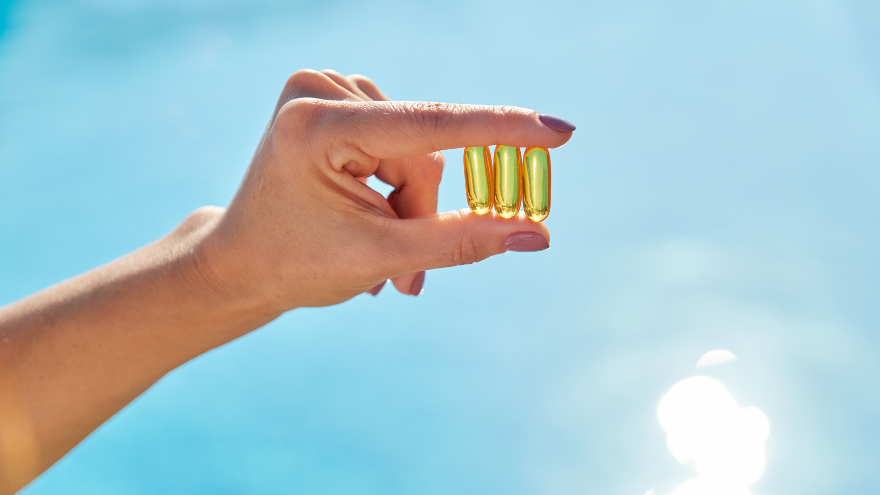
Meeting your daily vitamin D needs
As the gloomy winter nights gradually transition into brighter spring and summer days, should you really be thinking about vitamin D?
Supplementing with the aptly named "sunshine vitamin" is recommended for everyone in winter, as we don't get enough sunlight—which our bodies need to produce vitamin D.
Do you need to take vitamin D in the summer when the sun is shining in the sky? We shouldn't have any problems, right?
It seems not always! Discover why getting enough vitamin D is so important, and why some of us might still be deficient even in summer. We also discuss why getting a COVID vaccine doesn't mean you can cast vitamin D aside—it remains a very important vitamin for our overall health.
What is vitamin D and why is it important?
Also known as cholecalciferol, vitamin D is a fat-soluble vitamin that our bodies need to absorb and utilize phosphorus and calcium.
Both minerals are essential for maintaining strong, healthy bones and teeth, as well as supporting other bodily processes such as heart and muscle function.
Vitamin D is also important for:
- Supporting the immune system
- Muscle function
Signs of vitamin D deficiency
Vitamin D deficiency in children can lead to the development of tachycardia, while adults are at risk of bone diseases such as osteoporosis.
Other symptoms of low vitamin D deficiency include:
- Joint and bone pain
- Growth problems
- Constipation
- Gum disease
Take vitamin D all year round?
Yes, contrary to popular belief, quite a few of us could benefit from taking a vitamin D supplement all year round.
Our bodies do not store vitamin D, so we need it every day.
Since the number of food sources containing vitamin D is small and sunny weather is not always guaranteed, supplements are considered a safe way to prevent deficiency. It is also worth noting that 90% of the necessary vitamin D comes from sunlight and only 10% from diet.
For some groups of people, taking a vitamin D supplement all year round is specifically recommended, including:
- Vegans/vegetarians - as most vitamin D-rich foods are of animal origin.
- Pregnant women - to help the baby's normal development.
- Infants and children - to help their growth and normal development, especially for their small bones!
- Those who spend a lot of time indoors - as they may not get adequate sunlight every day.
- Those with limited sun exposure - such as those who wear religious coverings, e.g., a hijab.
Take vitamin D in summer?
This really depends on the individual and their lifestyle. If you spend time in the sun every day during the day, without sunscreen, or with too much of your skin covered, you probably won't have a problem. The same applies to those who consume plenty of vitamin D-rich foods, such as red meat, whole eggs, oily fish, and fortified juice/plant milk or breakfast cereal.
However, as mentioned above, our bodies need a daily dose of vitamin D. This is because we cannot store and use it for a rainy day (so to speak), so we need to account for this. It is all too easy to spend a day here and there without getting decent sunlight or eating foods that contain vitamin D, so a supplement can be considered a "fail-safe" option.
How much time should you spend in the sun to get vitamin D?
The optimal time for adequate sunlight is considered to be somewhere between 11 AM and 3 PM—or whenever the sun starts shining through your window, begging you to go out for a break!
However, people with darker skin, such as those of African or South Asian descent, need to spend more time in the sun to produce the same amount of vitamin D as those with lighter skin. However, this can be a bit tricky, as you don't want to expose your unprotected skin for too long, as this can cause sunburn and increase the risk of skin cancer. Be smart, and after you've had enough sun exposure, get out of the sun or use sunscreen.
P.S.: Your body cannot produce vitamin D from sunlight coming through a window because the UVB rays your body needs to produce vitamin D cannot pass through glass!
What happens if you don't get vitamin D from the sun?
We get the cheapest and most useful vitamin D from the sun; we cannot deny that, but it is not the only way to get enough of the good stuff.
Vitamin D-rich diet
While this might seem a bit complicated, especially if someone follows a strict diet (yes, we are thinking of vegans!), anyone can get the necessary amount of vitamin D from food.
The following foods provide vitamin D:
Meat
- Red meat
- Liver
- Offal
Fish and seafood
- Oily fish, such as salmon
- Tuna
- Oysters
- Trout
- Sardines
- Mackerel
- Herring
Vegetarian
- Whole eggs (the yolk is what's important!)
- Cheese
- Fortified cow's milk
- Fortified yogurt
- Margarine
Vegan
- Tofu
- Soy milk
- Almond milk
- Fortified vegan yogurt
- Fortified orange juice
- Fortified breakfast cereals
- Fortified meat substitutes
- Mushrooms
How else can you get enough vitamin D? Read our article!
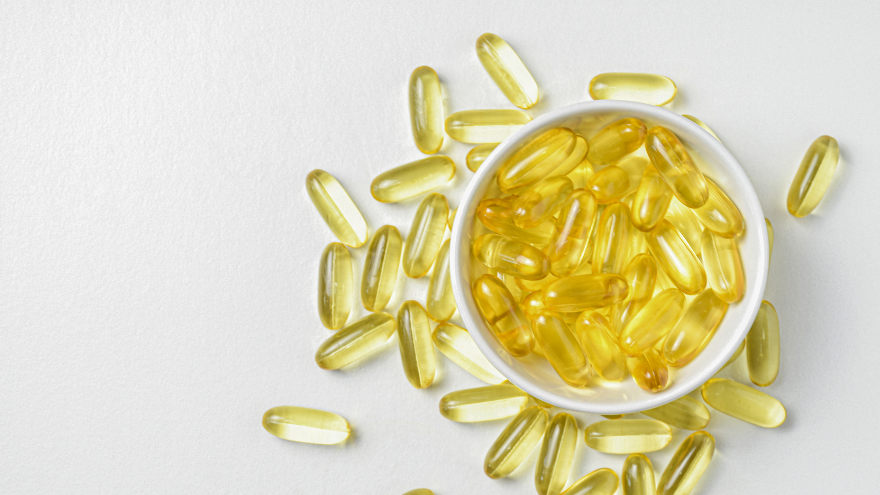
Vitamin D supplements
Vitamin D supplements are recommended for the majority of people living in countries with little sunshine.
In addition, they are recommended year-round for certain groups of people at risk of low vitamin D levels, including those over 65, people with dark skin, and vegans/vegetarians.
Fortunately, there are several ways to take a vitamin D supplement, including:
- Sprays
- Powders
- Capsules
- Tablets
- Liquids
- Effervescent tablets
And not all of them are made from traditional cod liver oil; you can also find vegan and vegetarian tablets made from sheep's wool, mushrooms grown under UV light, and even fungi!
Can you have a vitamin D deficiency in the summer?
Yes, vitamin D deficiency can occur at any time of the year, even on warm, sunny summer days! This can be due to several reasons, including:
- You ALWAYS use SPF - you need a break if possible, so your body can produce vitamin D - about 20 minutes without sun protection wouldn't hurt!
- Covering up - sunlight needs to reach your bare skin, which means no clothing or SPF should block it. Rolling up your sleeves is often recommended, but some people don't feel comfortable doing this in public - so try to do this in private if that is the case.
- Darker skin - people with darker skin absorb vitamin D less easily than those with lighter skin, so they need to spend more time absorbing vitamin D.
Why are my vitamin D levels low in the summer?
The same things we mentioned that can cause vitamin D deficiency in the summer are often the same things that cause low vitamin D levels.
Can you take vitamin D all year round?
Yes, our bodies need a daily dose of vitamin D as we cannot store it for later use, so for most people, it is perfectly fine to take vitamin D all year round.
If you take medication or have underlying health conditions, it is always best to check with your doctor before starting daily supplements, so keep that in mind.
The link between vitamin D and COVID-19
Since many of us spent more time indoors than usual due to COVID-19 restrictions, maintaining vitamin D levels was a high priority.
The reason for this is that we would have received much less sunlight than usual, and vitamin D can support our immune system.
But now that we can go outside more, many people are vaccinated, and everything seems a bit more normal, should we still prioritize vitamin D supplementation? You have to judge that for yourself - do you think enough sunlight reaches your bare skin, and do you consume enough vitamin D-rich foods?
If yes - good for you! You probably don't need supplementation during the sunnier months.
If not, then a supplement can provide that peace of mind. You may have seen some reports that vitamin D reduces the risk of COVID-19 (coronavirus). Although many studies are currently underway to determine if there is a link between the two, there is currently not enough evidence that taking vitamin D can prevent or treat COVID-19.
I've received the vaccine - should I be worried about vitamin D?
Vitamin D and the vaccine don't really have anything to do with each other; they are two separate entities that can help support our immune system.
What else can vitamin D protect against?
Vitamin D helps maintain a healthy immune system. It also helps protect our muscles, bones, and teeth.
Vitamins for a healthy lifestyle: Holland & Barrett vitamins
Sources:
https://www.mayoclinic.org/diseases-conditions/wrinkles/symptoms-causes/syc-20354927
https://www.byrdie.com/coq10-skincare-benefits
https://www.byrdie.com/coq10-skincare-benefits
https://www.mitoq.com/blog/blog/how-does-coenzyme-q10-help-to-make-skin-look-younger
https://www.nivea.co.uk/advice/skin/what-is-q10-233
https://www.byrdie.com/coq10-skincare-benefits
https://www.byrdie.com/coq10-skincare-benefits


Leave a comment
All comments are moderated before being published.
This site is protected by hCaptcha and the hCaptcha Privacy Policy and Terms of Service apply.