
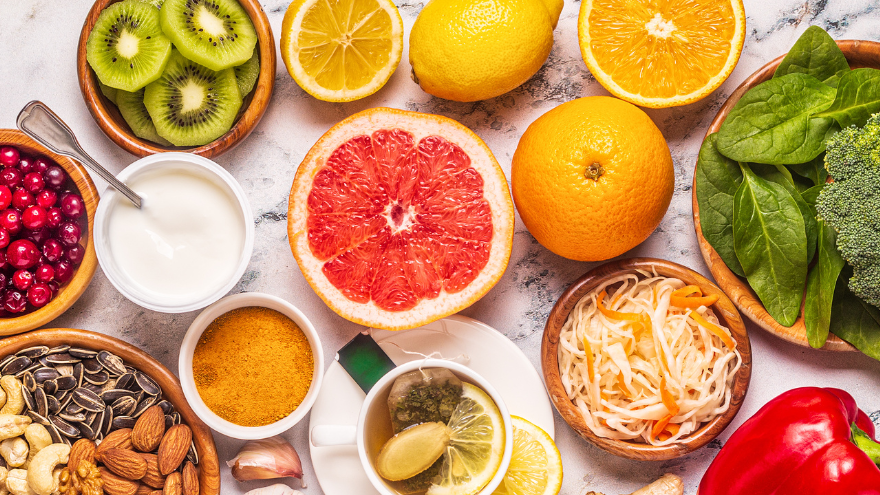
The 8 best vitamins to strengthen the immune system
If you want to feel your best, maintaining the health and function of your immune system is essential.
This hardworking system is dedicated to our protection. Discover here the 8 best vitamin formulas that support your immunity, along with some information about their effects.
The 8 best vitamins for immune support
The connection between vitamins and immunity
One of the best ways to support natural immunity is by nourishing our body with the essential vitamins and minerals it needs to thrive (those that our body cannot produce on its own).
It is worth noting that you need a dose of some water-soluble vitamins and minerals every day, as your body cannot store them; for example, you cannot eat 20 oranges in a day or take a bunch of vitamin C tablets to be covered for a few weeks; you need vitamin C every day.
The full spectrum of B vitamins also falls into this category.
Other vitamins are fat-soluble, which means they dissolve in fat and are stored in the body. These include vitamins A, D, E, and K. Fortunately, if we follow a balanced diet rich in vegetables and fruits, we can get most of the necessary vitamins.
However, if you do not regularly eat a balanced diet, actively avoid fruits and vegetables, or follow a restrictive diet, your levels of certain vitamins that your immune system needs to function may be low - read on to learn more about them.
Which vitamin provides immunity?
There is not just one single vitamin that helps strengthen the immune system, but several! Here are some of the best vitamins to supplement if you want a healthy, functioning immune system.
Vitamin A is essential for the normal functioning of the immune system.
Some sources of vitamin A include eggs, cod liver oil, and dark green leafy vegetables.
Vitamin C helps support the cellular functions necessary for a healthy immune system.
Oranges, orange juice, kiwi, tomatoes, strawberries, broccoli, and red/green peppers are among the best sources.
Vitamin B6 (also known as pyridoxine) helps support our immune system, as well as nervous system function, protein metabolism, and red blood cell formation.
It is generally found in animal products such as pork, fish, and eggs, as well as plant foods such as chickpeas, whole grains, bananas, pumpkin, and other plants.
4. Vitamin B9 - Folic Acid - Folate
Also known as folic acid, vitamin B9 plays a fundamental role in the chemical reactions in the body that affect our immune system. Good sources of folic acid include broccoli, green leafy vegetables, and Brussels sprouts.
Vitamin B12 helps in the production of nucleic acids and cellular proteins related to our immune system.
It can be found in meats, fish, dairy products, eggs, fortified nutritional yeast, fortified milks, and meat products.
Vitamin D helps in the normal functioning of the immune system.
Most vitamin D is produced by exposing our unprotected skin to direct sunlight. Since we live in a country that is not always the sunniest.
Minerals and other nutrients that support the immune system
Here are some other nutrients and minerals that help our immune system function.
Zinc contributes to the normal functioning of the immune system. It can be found in seafood, red meats, chickpeas, eggs, sunflower seeds, and pumpkin seeds.
However, one should be careful not to consume more than the recommended daily amount, which is 25 mg.
Iron is one of the most important minerals for our body, especially when it comes to our immune system.
In fact, iron deficiency can have a negative impact on our immune system and potentially make us vulnerable.
It can be found in red meats, fish, leafy green vegetables, beans, chickpeas, and some fortified foods.
Selenium is another mineral that is essential for immune system function, as well as for thyroid function, hair and nail maintenance, and normal sperm development.
You can get the required amount from foods such as Brazil nuts, tuna, eggs, shrimp, oats, and spinach.
Are there any side effects of immunity vitamin supplements?
Since immunity supplements differ in their composition, it is difficult to list the potential side effects, as each product triggers a different reaction in each person.
It is always best to consult your doctor before starting a new dietary supplement, especially if you are already taking medication, have allergies, or are pregnant/breastfeeding.
For example, pregnant women need to be careful about how much vitamin A they consume.
Then, once you have received the "thumbs up," you can slowly introduce the supplement, watching for any potential side effects, such as:
- Nausea
- Headache
- Fatigue
- Skin irritation
The final word
- There are many things we can do to support our natural immunity to stay fit
- Certain vitamins and minerals are key to the normal functioning of the immune system, such as vitamin C, vitamin D, and zinc.
- These vitamins can be taken on their own, or we can take a preparation specifically for supporting the immune system, like the 8 listed above.
Vitamins for a healthy lifestyle: Holland & Barrett vitamins


Leave a comment
All comments are moderated before being published.
This site is protected by hCaptcha and the hCaptcha Privacy Policy and Terms of Service apply.